The Church as a Catalyst for Disability Inclusion in Nigeria
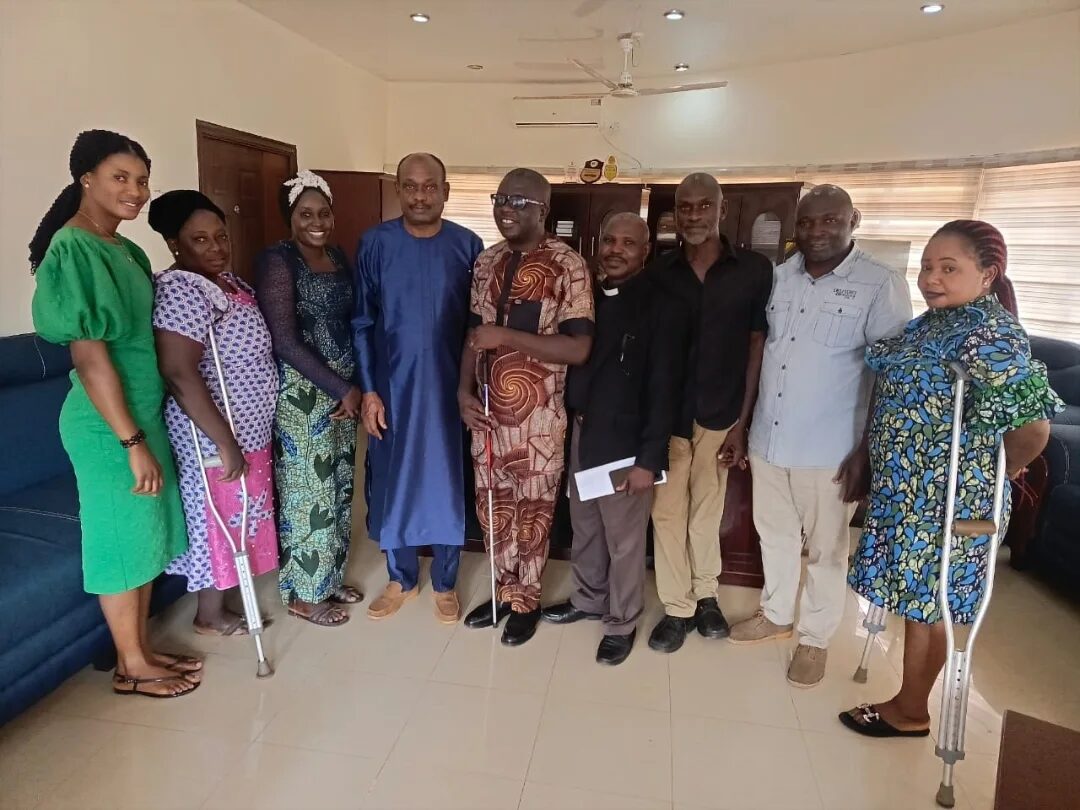
On 16 September 2025, something powerful happened in Mkar, Benue State — something that could shift the narrative on disability inclusion across Nigeria.
Hope Alive for Possibilities Initiative (HAPI), led by Hon. Bem Anshe (PA to the Benue State Governor on Special Needs & Equal Opportunities), visited the General Secretary of the Nongo u Kristu u i Ser u sha Tar – NKST (Universal Reformed Christian Church). But this wasn’t just a courtesy call; it was a bold advocacy mission to awaken one of the most influential institutions in our society: the Church.
Why the Church Matters in Disability Inclusion
The conversation at NKST centred on a simple but profound truth:
Faith communities shape culture — and culture shapes how persons with disabilities are treated.
For too long, stigma and harmful beliefs have fuelled exclusion. But during this dialogue, HAPI reminded the Church of its moral, spiritual, and social responsibility to break these barriers and bring the Benue State Disability Rights Law to life, not just on paper, but in everyday practice.
A Historic Commitment from NKST
In a remarkable show of leadership, the NKST General Secretary didn’t just agree with the message — he acted on it. He pledged to:
- Deploy sign language interpreters in services, ensuring Deaf worshippers are fully included in God’s house
- Integrate sign language training into the NKST Theological Seminary curriculum, raising future pastors who understand accessibility
- Upgrade church facilities, so that every worshipper — wheelchair users, amputees, blind and low-vision persons, autistic members, and more — can access God’s presence without barriers
These aren’t token promises. They’re structural changes that can ripple across congregations, communities, and generations.
Faith + Policy = Real Inclusion
What happened at NKST proves something many advocates have been saying for years:
When the principles of inclusion meet the power of faith institutions, transformation becomes inevitable.
This milestone is bigger than one meeting. It signals a new chapter where churches in Benue State — and across Nigeria — can lead the movement for dignity, accessibility, and equal opportunity for persons with disabilities.
And yes, it’s possible. NKST just showed us how.
This advocacy engagement was proudly supported by the Disability Rights Advocacy Fund (DRAF).
Add Comment