From Technical Review to Public Hearing: Advancing Inclusive Climate Policy in Benue State
From Technical Review to Public Hearing: Advancing Inclusive Climate Policy in Benue State
Disability Inclusion Takes Centre Stage in Benue’s Climate Governance Reform
Disability inclusion is no longer peripheral in Benue State’s climate governance process. It is now firmly on the legislative agenda.
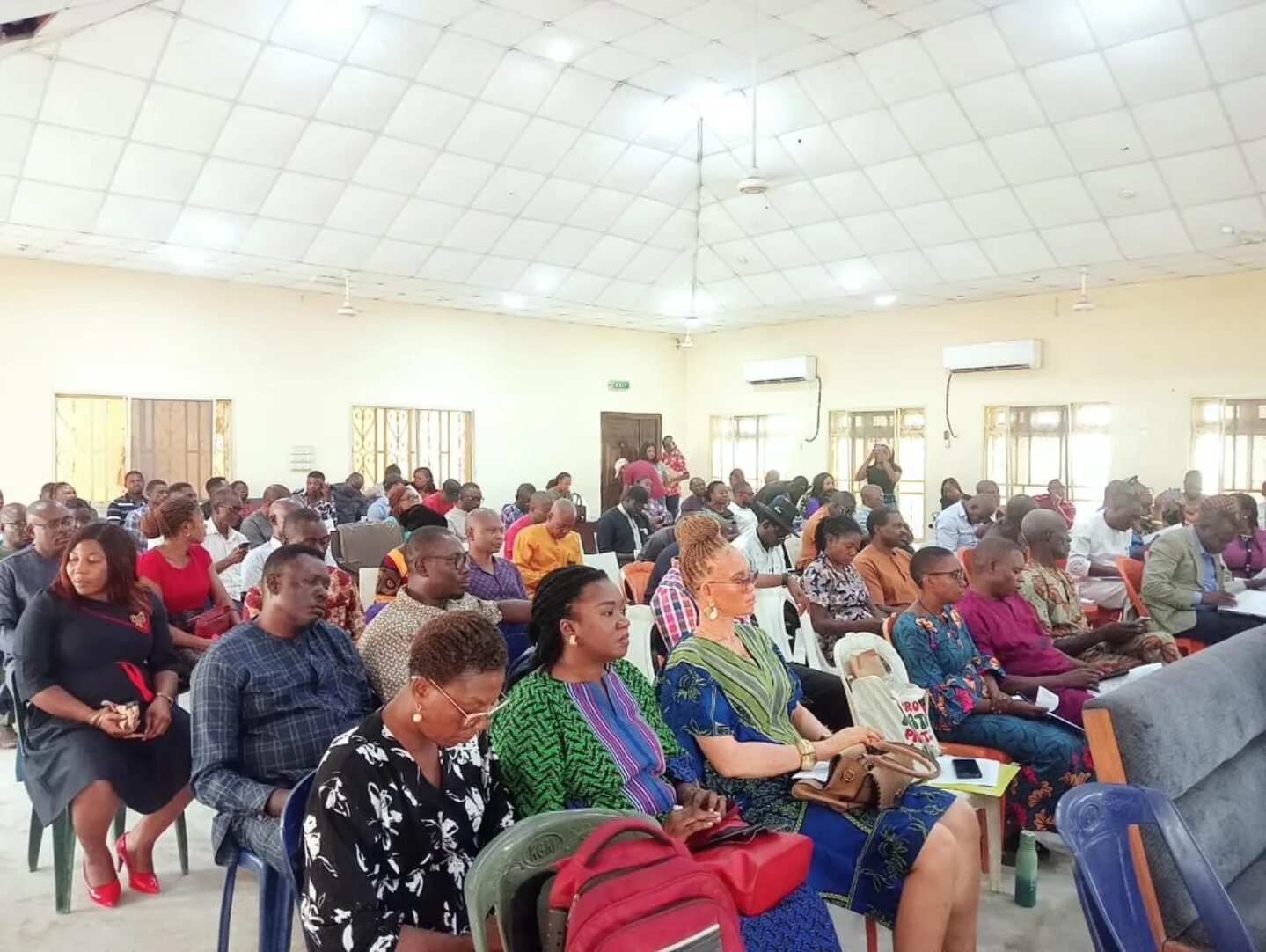
On 3 February 2026, Hope Alive for Possibilities Initiative (HAPI) convened a High-Level Technical Review of the Benue State Climate Change Bill following its successful passage through first and second readings at the Benue State House of Assembly.
The objective was precise: strengthen the Bill’s disability and gender responsiveness through structured, evidence-based input before it advanced further in the legislative process.
Strengthening the Climate Change Bill Through Technical Engagement
The technical review created space for:
- Expert analysis of existing provisions
- Identification of disability inclusion gaps
- Recommendations for gender-responsive climate governance
- Proposals for institutional safeguards to ensure representation
This was not symbolic consultation. It was legislative intervention designed to shape statutory language and implementation structures.
Public Hearing: From Recommendation to Legislative Record
On 23 February 2026, during the Public Hearing at the Benue State House of Assembly, persons with disabilities mobilized to ensure their recommendations were formally presented and captured within the legislative record.
Participation shifted from advisory to visible civic engagement.
Stakeholders across government and the legislature explicitly acknowledged:
- The necessity of structured representation of persons with disabilities within climate governance frameworks
- The urgency of accessible climate communication and early warning systems
- The proposal for a dedicated 1% Climate Fund to support disability-inclusive and gender-responsive climate innovations
These acknowledgements mark a significant shift in how climate policy is conceptualised in Benue State.
Why Disability Inclusion in Climate Governance Matters
Climate change disproportionately affects persons with disabilities due to:
- Limited access to early warning systems
- Mobility constraints during emergencies
- Exclusion from adaptation planning processes
- Socioeconomic marginalization that reduces resilience
Embedding disability inclusion within climate legislation ensures that mitigation, adaptation, and emergency response frameworks are equitable by design — not retrofitted after crisis.
Building an Inclusive Climate Action Framework in Benue State
This milestone represents more than participation in a public hearing. It reflects a structured pathway of policy influence:
- Technical review
- Legislative engagement
- Public hearing mobilization
- Institutional acknowledgment
Brick by brick, an inclusive and sustainable climate action law is taking shape — one that recognizes the intersectional barriers persons with disabilities face in climate emergencies, adaptation, and resilience planning.
Strategic Partnership and Policy Impact
This progress has been strengthened by the strategic support of the Disability Rights Fund (DRF), whose investment continues to amplify grassroots disability-led advocacy and policy reform efforts.
This is what meaningful participation in legislative reform looks like:
Evidence. Engagement. Representation. Structural change.
HAPI remains committed to ensuring that Benue State’s climate governance framework reflects equity, accountability, and inclusion.
Add Comment