Building Capacity, Breaking Barriers: Empowering Caregivers to Support Menstrual Health for Girls with Disabilities

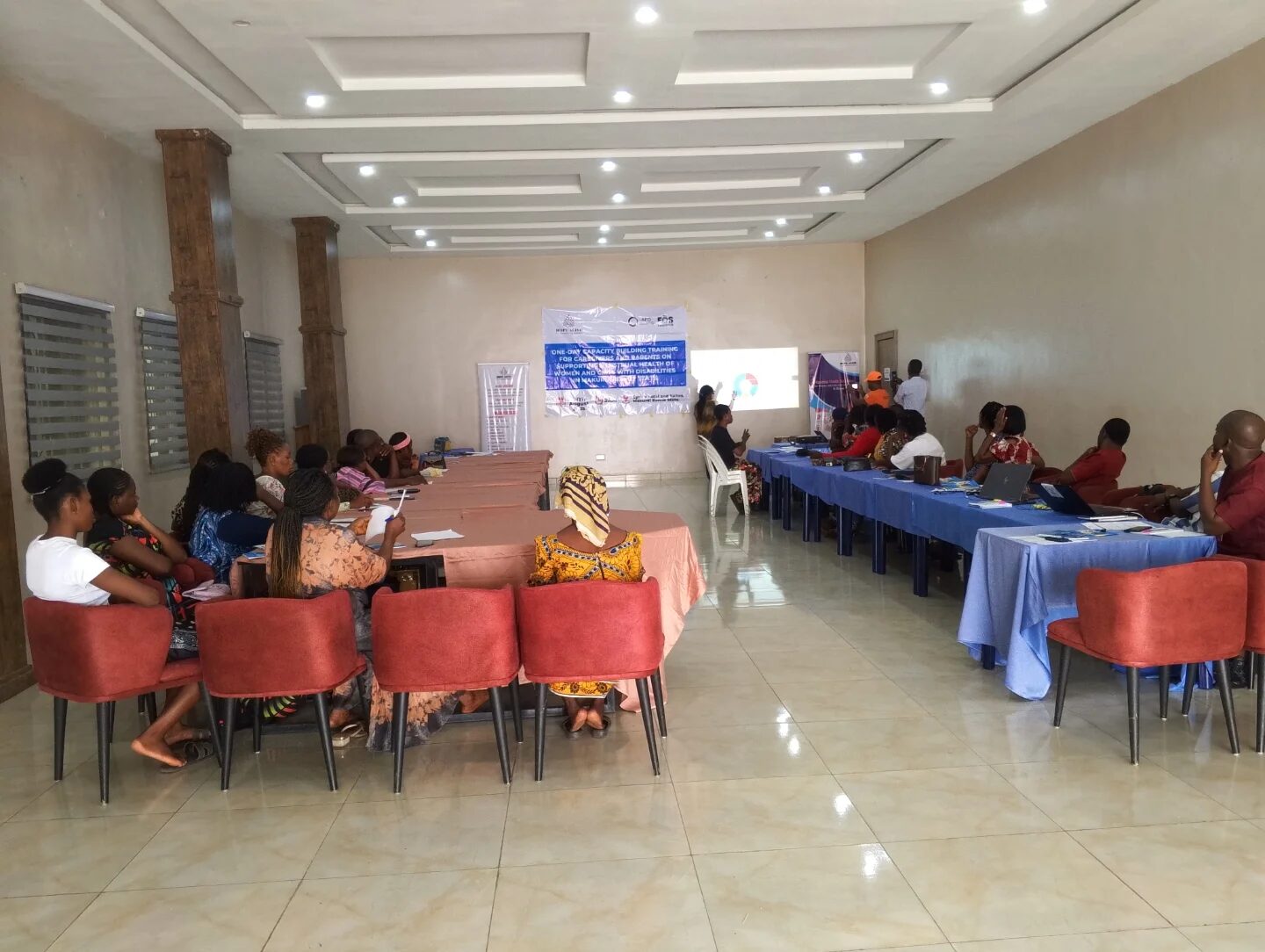
On 28th August, 2025, Hope Alive for Possibilities Initiative (HAPI) took a bold step toward inclusion by hosting a one-day capacity-building workshop for parents and caregivers in Benue State — focusing on their critical role in supporting the menstrual health of women and girls with disabilities.
From the very first session, the room came alive. The conversations were open, honest, and deeply practical. Caregivers didn’t just listen — they engaged, asked questions, shared experiences, and challenged long-held myths around menstruation and disability.
Why Caregivers Matter
Menstrual health is often treated as a private issue. In reality, for women and girls with disabilities, it is a shared responsibility — one that requires informed, supportive, and confident caregivers.
This workshop equipped participants with:
-
Practical knowledge on menstrual health management
-
Tools to support dignity, hygiene, and emotional well-being
-
Confidence to advocate for the rights and needs of girls with disabilities
The message was clear: no girl or woman should be excluded, ashamed, or limited because of menstruation.
Changing Mindsets, One Conversation at a Time
As myths were dismantled and real-life challenges discussed, the energy in the hall was undeniable. Caregivers reflected on their roles not just as supporters, but as advocates — within their families, communities, schools, and healthcare spaces.
Because menstrual health is not just a “women’s issue.”
It is a family issue. A community issue. A human dignity issue.
Toward a More Inclusive Future
When caregivers are empowered, women and girls with disabilities gain more than support — they gain confidence, dignity, and equal opportunities. They are better positioned to participate fully in education, social life, and community spaces without fear or shame.
At HAPI, we are proud to be driving this change and deeply grateful to every caregiver who showed up with openness, empathy, and a willingness to learn.
Together, we are building a future where menstruation is no longer a barrier — but a bridge to inclusion.
This project is proudly supported by AFD – Agence Française de Développement, through Fòs Feminista.
Add Comment